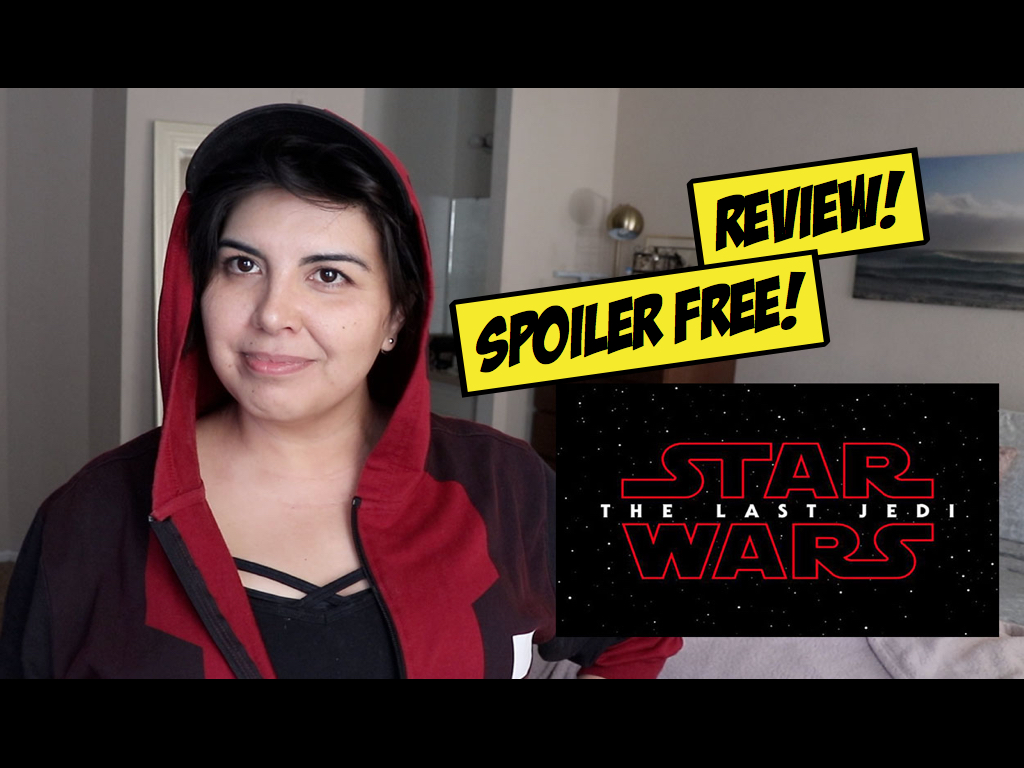
The first time I watched this movie, I cried when I was supposed to cry, I laughed when I was supposed to laugh but by the end I was completely unsure how I felt about the entire experience. The second viewing confirmed that this was by design.
If “The Force Awakens” was the film to put us back on a path, then “The Last Jedi” is the fork in the road that we’ve stopped at. The film is obsessed with the natural question, “Which way do we go?”
One could see this as a moment celebrating free will and choice which are romantic notions championed by the defiant heroes we’ve grown used to seeing in our sci-fi epics. However, the film’s writer and director Rian Johnson is more interested in the unspoken truth of that for every possibility and opportunity before you means an equal amount of uncertainty and doubt. So here we are, at the fork in the road, waiting for the compass to stop spinning and point to the new direction.
Within that moment of pause, “The Last Jedi” attains a vulnerability and intimacy never before felt in this saga. Since we have enough time to do character study (if not character/plot development), everyone is paired up with their perfect foil, which means everyone’s beliefs are up for full display and debate. The reckless are coupled with the prudent, the selfish with the noble and the cautious with the fearless. Unfortunately, there aren’t enough elegant story choices here in order to fully strip down and/or transform everyone. Enough is done but for a franchise with a constantly climbing bar, enough is never really quite that. Clocking in at just over two and a half hours, this film still feels short because it feels incomplete. Dialogue should’ve lasted just a line or two more, sequences should’ve pushed just a bit further, philosophical extremes should’ve been properly explored instead of just warily talked about from afar.
It’s easy to feel disappointed, especially since there’s a lack of answers provided to many of the questions raised by “The Force Awakens”. There were so many moments that I was certain that I’d see in this film and I was surprised by how few of them actually made it to the screen. However, since my major complaint with this film is that new storylines aren’t pushed to their natural end point or if they are, certainly not with enough flourish to feel truly developed, I didn’t really miss the absent answers to old questions. Filling in gaps is what the extended universe is for, I’m here for the new story and I wish there was just more of it in this film.
“The Last Jedi” is a story about stumbling and in effect becomes a lesson on the Kobayashi Maru, the training exercise about no-win scenarios from that other epic space franchise. Much like an impetuous captain from the final frontier, “The Last Jedi” is all about rejecting the no-win scenario and embracing the third option.
Star Wars has built itself on dichotomies. Jedi & Sith. Light & Dark. Good & Evil. Episode 8 is insistent that its characters stop operating in the two-dimensional and see that there exists more than just the right choice or the wrong choice but the best choice. Not all of the best choices were made for “The Last Jedi” but I think the best choice was made for the direction of this new trilogy, one that doesn’t disregard the past but makes it clear that it won’t be shackled by it. Kylo Ren sums it up best when he says, “Let the past die. Kill it if you have to.” If you remove the menacing tone that he says it with, it rings with liberation, freedom from the binary thinking that has constrained this franchise.
To that end, I think “The Last Jedi” is an achievement since this is the first Star Wars film where the implications for the future are completely unclear. What will happen next? How will it happen? I’m not sure. And isn’t that wonderful?
 THE TONI SANCHEZ